


Choosing the right size of a steel dryer cylinder is a crucial decision for any paper manufacturing operation. As a supplier of [Steel Dryer Cylinder], I've witnessed firsthand the impact that the correct sizing can have on the efficiency, quality, and overall performance of a paper machine. In this blog post, I'll share some insights and considerations to help you make an informed choice when selecting the size of your steel dryer cylinder.
Understanding the Basics of Steel Dryer Cylinders
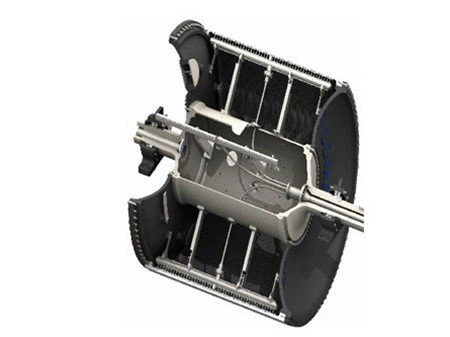
Before delving into the sizing process, it's essential to understand what a steel dryer cylinder is and how it functions. A steel dryer cylinder is a key component in a paper machine, used to remove moisture from the paper web. It consists of a large, hollow steel cylinder that rotates at a high speed, with steam or hot water circulating inside to provide the necessary heat for drying.
There are different types of steel dryer cylinders available, including Steel Yankee Dryer and Paper Machine Vacuum Press Roll. Each type has its own unique features and applications, but the basic principle remains the same: to transfer heat to the paper web and remove moisture.
Factors to Consider When Choosing the Size of a Steel Dryer Cylinder
-
Paper Machine Speed
The speed of your paper machine is one of the most important factors to consider when choosing the size of a steel dryer cylinder. A faster paper machine will require a larger dryer cylinder to ensure that the paper web has enough time to dry properly. This is because the drying time is directly related to the surface area of the dryer cylinder and the contact time between the paper web and the cylinder.
For example, if you have a high-speed paper machine that operates at a speed of 1,500 meters per minute, you'll need a larger dryer cylinder compared to a machine that operates at a lower speed of 500 meters per minute. A larger cylinder will provide a greater surface area for heat transfer, allowing the paper web to dry more quickly and efficiently. -
Paper Grade and Quality
The grade and quality of the paper you're producing also play a significant role in determining the size of the steel dryer cylinder. Different paper grades have different moisture content and drying requirements. For instance, a high-quality, heavyweight paper may require a larger dryer cylinder to ensure thorough drying and prevent wrinkles or other defects.
On the other hand, a lightweight, low-quality paper may be able to dry more quickly and may not require as large a dryer cylinder. It's important to understand the specific drying requirements of your paper grade and choose a dryer cylinder size that can meet those requirements. -
Available Space
The physical space available in your paper mill is another important consideration. A larger dryer cylinder will require more space, both in terms of the diameter and the length of the cylinder. You need to ensure that you have enough room in your paper machine to accommodate the size of the dryer cylinder you're considering.
In some cases, you may be limited by the existing layout of your paper mill, and you'll need to choose a dryer cylinder size that fits within the available space. This may require some careful planning and optimization to ensure that you can still achieve the desired drying performance.
-
Heat Transfer Requirements
The heat transfer requirements of your paper machine are directly related to the size of the steel dryer cylinder. A larger dryer cylinder will have a greater surface area, which means it can transfer more heat to the paper web. This is important for ensuring efficient drying and reducing energy consumption.
To determine the heat transfer requirements of your paper machine, you need to consider factors such as the moisture content of the incoming paper web, the desired moisture content of the finished paper, and the speed of the paper machine. Based on these factors, you can calculate the amount of heat that needs to be transferred and choose a dryer cylinder size that can provide the necessary heat transfer rate. -
Cost
Cost is always a consideration when making any equipment purchase. Larger dryer cylinders are generally more expensive than smaller ones, both in terms of the initial purchase price and the operating costs. The larger the cylinder, the more material is required for its construction, and the more energy it will consume during operation.
However, it's important to balance the cost with the benefits. A larger dryer cylinder may provide better drying performance, higher paper quality, and increased production efficiency, which can ultimately lead to cost savings in the long run. You need to carefully evaluate the cost-benefit ratio and choose a dryer cylinder size that offers the best value for your investment.
Calculating the Optimal Size of a Steel Dryer Cylinder
Once you've considered all the factors mentioned above, you can start calculating the optimal size of the steel dryer cylinder for your paper machine. There are several methods and formulas available for this purpose, but one of the most common approaches is to use the following steps:
-
Determine the Drying Capacity
First, you need to determine the drying capacity required for your paper machine. This can be calculated based on the moisture content of the incoming paper web, the desired moisture content of the finished paper, and the production rate of the paper machine. The drying capacity is usually expressed in kilograms of water per hour. -
Calculate the Heat Transfer Area
Next, you need to calculate the heat transfer area required to achieve the desired drying capacity. This can be done using the heat transfer coefficient, the temperature difference between the steam or hot water inside the dryer cylinder and the paper web, and the drying capacity. The heat transfer area is usually expressed in square meters. -
Select the Cylinder Diameter and Length
Based on the calculated heat transfer area, you can select the appropriate diameter and length of the steel dryer cylinder. The diameter and length of the cylinder should be chosen to provide the required heat transfer area while also fitting within the available space in your paper mill.
Importance of Working with a Reputable Supplier
Choosing the right size of a steel dryer cylinder is a complex process that requires a deep understanding of the paper manufacturing process and the technical specifications of the dryer cylinders. That's why it's important to work with a reputable supplier who has the expertise and experience to help you make the right decision.
As a [Steel Dryer Cylinder] supplier, we have a team of experts who can assist you in selecting the optimal size of the dryer cylinder for your specific needs. We offer a wide range of Steel Dryer Cylinder for Paper Machine options, with different diameters, lengths, and configurations to meet the diverse requirements of our customers.
We also provide comprehensive technical support and after-sales service to ensure that your dryer cylinder operates smoothly and efficiently. Our team can help you with installation, commissioning, maintenance, and troubleshooting, so you can focus on your core business of paper production.
Conclusion
Choosing the right size of a steel dryer cylinder is a critical decision that can have a significant impact on the performance and profitability of your paper manufacturing operation. By considering factors such as paper machine speed, paper grade and quality, available space, heat transfer requirements, and cost, you can make an informed choice and select a dryer cylinder size that meets your specific needs.
If you're in the process of choosing a steel dryer cylinder for your paper machine, we'd be happy to help. Our team of experts can provide you with personalized advice and guidance based on your unique requirements. Contact us today to start the conversation and explore how we can help you optimize your paper manufacturing process.
References
- "Paper Machine Handbook", TAPPI Press
- "Drying Technology in the Paper Industry", Wiley-VCH