


Hey there! As a supplier of Steel Dryer Cylinders, I've seen firsthand how corrosion can be a real headache for our customers. Corrosion not only shortens the lifespan of these cylinders but also affects the quality of the products they're used to manufacture. So, in this blog, I'm gonna share some tips on how to prevent corrosion of a steel dryer cylinder.
Understanding the Causes of Corrosion
Before we dive into the prevention methods, it's important to understand what causes corrosion in the first place. Corrosion is basically a chemical reaction between the steel and its environment. In the case of steel dryer cylinders, there are a few common culprits.
One major factor is moisture. When the steel comes into contact with water or high humidity, it can start to rust. This is especially true in the paper manufacturing industry, where steel dryer cylinders are often exposed to steam and water during the drying process.
Another cause is the presence of chemicals. Some cleaning agents, additives, or even the materials being dried can contain chemicals that react with the steel and cause corrosion. For example, acidic substances can eat away at the steel surface over time.
Choosing the Right Steel
The first step in preventing corrosion is to start with the right type of steel. Not all steels are created equal when it comes to corrosion resistance. Stainless steel is a popular choice for dryer cylinders because it contains chromium, which forms a protective oxide layer on the surface. This layer acts as a barrier, preventing oxygen and moisture from reaching the steel and causing rust.
However, not all stainless steels are suitable for every application. There are different grades of stainless steel, and each has its own level of corrosion resistance. For high - humidity or chemically aggressive environments, you might want to consider a higher - grade stainless steel with a higher chromium or nickel content.
Surface Treatment
Even if you choose a corrosion - resistant steel, surface treatment can further enhance its protection. One common method is galvanizing. Galvanizing involves coating the steel with a layer of zinc. Zinc is more reactive than steel, so when it comes into contact with the environment, it corrodes first, sacrificing itself to protect the underlying steel.
Another option is painting or coating the steel with a specialized anti - corrosion paint. These paints are formulated to create a physical barrier between the steel and the environment. They can also contain additives that inhibit corrosion. For example, some paints have rust - converters that can turn existing rust into a stable compound.
Regular Maintenance
Regular maintenance is crucial for preventing corrosion. This includes cleaning the dryer cylinder regularly to remove any dirt, debris, or chemical residues that could cause corrosion. Use mild cleaning agents that are specifically designed for steel surfaces. Avoid using abrasive cleaners or tools that could scratch the surface, as these scratches can provide entry points for corrosion.

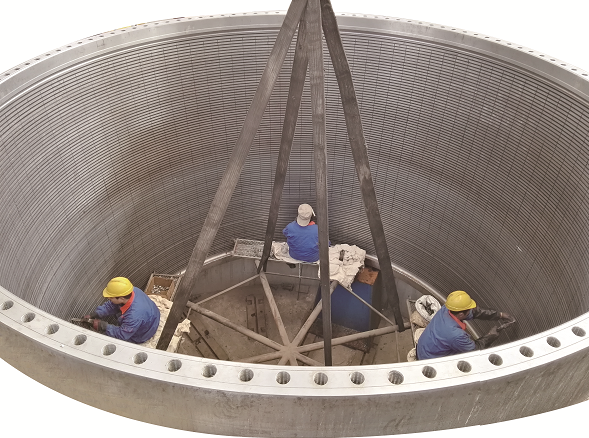
Inspection is also an important part of maintenance. Regularly check the dryer cylinder for any signs of corrosion, such as rust spots or discoloration. If you notice any early signs of corrosion, take action immediately. Small areas of corrosion can often be treated before they spread and cause more serious damage.
Controlling the Environment
Controlling the environment around the steel dryer cylinder can also help prevent corrosion. In a paper manufacturing plant, for example, you can control the humidity levels in the drying area. Using dehumidifiers or proper ventilation can reduce the amount of moisture in the air, which in turn reduces the risk of rust.
If the materials being dried contain chemicals that could cause corrosion, you might need to adjust the drying process or use additives to neutralize these chemicals. For example, if the material is acidic, you could add a basic substance to balance the pH.
Monitoring and Testing
Regular monitoring and testing can help you detect corrosion early and take preventive measures. There are several methods for monitoring corrosion. One simple way is to visually inspect the dryer cylinder regularly. You can also use non - destructive testing methods, such as ultrasonic testing or magnetic particle testing, to detect internal or surface defects that could be signs of corrosion.
Testing the environment around the dryer cylinder can also be useful. For example, you can measure the humidity, pH levels, or the concentration of certain chemicals in the air or on the surface of the cylinder. This data can help you identify potential corrosion risks and take appropriate action.
Related Products
If you're in the paper manufacturing industry, you might also be interested in some of our other products. We offer Paper Machine Vacuum Press Roll, which is an important part of the paper - making process. It helps to remove water from the paper web during the pressing stage.
Our Steel Dryer Cylinder for Paper Machine is specifically designed to meet the high - performance requirements of paper manufacturing. It provides efficient drying and helps to improve the quality of the final paper product.
And if you're looking for a specialized dryer cylinder, our Steel Yankee Dryer is a great option. It's commonly used in the production of tissue paper and other thin paper products.
Conclusion
Preventing corrosion of a steel dryer cylinder is a multi - step process that involves choosing the right steel, applying surface treatments, regular maintenance, controlling the environment, and monitoring for early signs of corrosion. By following these tips, you can extend the lifespan of your dryer cylinder and ensure its optimal performance.
If you're interested in purchasing a high - quality steel dryer cylinder or have any questions about corrosion prevention, feel free to get in touch with us. We're here to help you find the best solution for your needs.
References
- Fontana, M. G. (1986). Corrosion Engineering. McGraw - Hill.
- Uhlig, H. H., & Revie, R. W. (1985). Corrosion and Corrosion Control. Wiley - Interscience.
- ASM Handbook Committee. (2003). ASM Handbook, Volume 13A: Corrosion: Fundamentals, Testing, and Protection. ASM International.