


Hey there! As a supplier of Kraft paper machines, I've seen firsthand the amount of waste these machines can generate. But here's the good news: there are plenty of ways to recycle that waste and turn it into something useful. In this blog post, I'll share some tips on how to recycle the waste generated by a Kraft paper machine.
Understanding the Waste Generated by a Kraft Paper Machine
Before we dive into the recycling methods, let's take a quick look at the types of waste produced by a Kraft paper machine. The main waste products include:
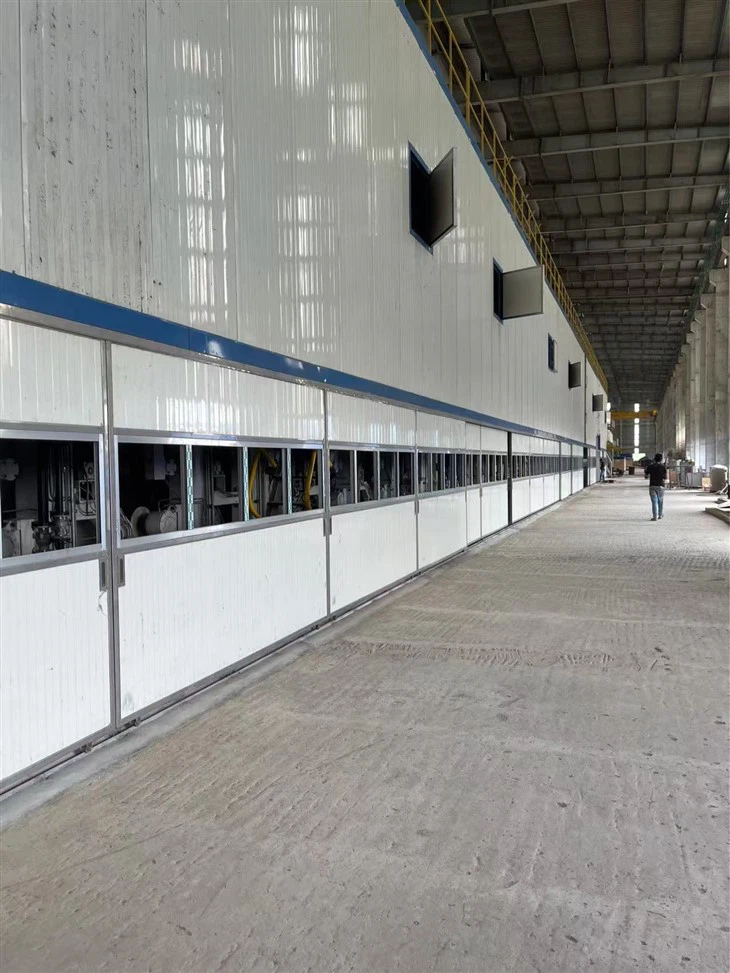

- Broken Paper: During the paper - making process, some paper may break or tear. This broken paper can be a significant source of waste.
- Trim Waste: When the paper is cut to the desired size, the excess edges, known as trim waste, are removed.
- Rejected Paper: Papers that don't meet the quality standards are rejected and become waste.
Recycling Broken Paper
One of the most straightforward ways to recycle broken paper is to put it back into the paper - making process. Most modern Kraft paper machines are designed to handle re - pulping of broken paper. Here's how it works:
- Collection: First, the broken paper is collected from the production line. This can be done manually or using automated systems.
- Pulping: The collected broken paper is then sent to a pulper. In the pulper, the paper is mixed with water and chemicals to break it down into individual fibers. This pulp can then be used as a raw material in the paper - making process.
By recycling broken paper, you not only reduce waste but also save on raw material costs. It's a win - win situation!
Recycling Trim Waste
Trim waste can also be recycled in a similar way to broken paper. However, since trim waste is usually in smaller pieces, it may require a bit more processing.
- Shredding: The trim waste is first shredded into smaller pieces to make it easier to handle in the pulping process.
- Pulping and Refining: After shredding, the trim waste goes through the same pulping process as broken paper. Once the pulp is formed, it may need to be refined to improve its quality.
- Blending: The recycled pulp from trim waste can be blended with fresh pulp to produce high - quality paper. This blended pulp can then be used to make new Kraft paper.
Recycling Rejected Paper
Rejected paper, which doesn't meet the quality standards, can still be recycled. However, it may require more intensive processing.
- Quality Assessment: First, the rejected paper needs to be assessed to determine the cause of rejection. If the problem is minor, such as a small defect, the paper may be suitable for recycling with minimal processing.
- De - inking (if necessary): If the rejected paper has ink or other contaminants, it may need to go through a de - inking process. This involves using chemicals and mechanical methods to remove the ink from the paper fibers.
- Pulping and Recycling: After de - inking (if required), the rejected paper is pulped and recycled in the same way as broken and trim waste.
Other Recycling Options
In addition to recycling the paper waste back into the paper - making process, there are other ways to make use of the waste generated by a Kraft paper machine.
- Animal Bedding: The recycled paper pulp can be used as animal bedding. It's absorbent, comfortable for the animals, and environmentally friendly.
- Composting: Some of the organic waste from the paper - making process, such as pulp sludge, can be composted. Composting turns the waste into a nutrient - rich soil amendment that can be used in gardening and agriculture.
The Role of Technology in Waste Recycling
Technology plays a crucial role in efficient waste recycling from Kraft paper machines. For example, advanced sensors can be used to detect broken paper and trim waste in real - time, allowing for more efficient collection. Automated pulping systems can ensure that the recycling process is consistent and of high quality.
Moreover, new technologies are being developed to improve the recycling of paper waste. For instance, some companies are working on more effective de - inking methods that use less water and chemicals.
The Benefits of Recycling Waste from Kraft Paper Machines
Recycling the waste generated by a Kraft paper machine offers several benefits:
- Environmental Benefits: By recycling paper waste, we reduce the demand for virgin wood pulp, which helps in conserving forests. It also reduces the amount of waste going to landfills, thereby reducing pollution.
- Economic Benefits: Recycling waste can save on raw material costs. Additionally, the recycled products can be sold, generating additional revenue.
- Social Benefits: A company that practices waste recycling is seen as more environmentally responsible, which can enhance its reputation and attract more customers.
Related Paper - Making Machines
If you're interested in other types of paper - making machines, check out our Corrugated Paper Making Machine, Corrugated Paper Machine, and Spool Paper Making Machine. These machines are designed to produce high - quality paper products with minimal waste.
Contact Us for More Information
If you're looking to invest in a Kraft paper machine or want to learn more about waste recycling in the paper - making industry, don't hesitate to reach out. We're here to help you make the most of your paper - making operations while being environmentally friendly.
References
- "Handbook of Pulping and Papermaking" by Christopher J. Biermann
- "Paper Recycling: Principles and Practice" by John W. Sutherland