


Newsprint paper machines are the workhorses of the printing industry, churning out large volumes of the paper that keeps us informed and entertained. Over time, however, the wearing parts of these machines will inevitably show signs of wear and tear. As a trusted newsprint paper machine supplier, we understand the importance of timely replacement of these parts to ensure the continuous and efficient operation of your equipment. In this blog, we will guide you through the process of replacing the wearing parts of a newsprint paper machine.
Understanding the Wearing Parts of a Newsprint Paper Machine
Before you start the replacement process, it's crucial to have a clear understanding of the different wearing parts in a newsprint paper machine. These parts include but are not limited to:
- Felt and Wire: These are essential components in the forming and pressing sections of the paper machine. Felts help in dewatering the paper web, while wires provide the surface for the initial formation of the paper. Over time, they can become clogged with debris, lose their permeability, and develop holes or tears.
- Blades: Blades are used in various parts of the paper machine, such as the doctor blades in the press section and the coater blades. They are responsible for removing excess water, coating, or other substances from the paper surface. Blades can wear down due to friction and contact with the paper or other machine components.
- Rollers: Rollers play a vital role in transporting the paper web through the machine and applying pressure during the pressing and drying processes. The surface of the rollers can wear out, become uneven, or develop grooves, which can affect the quality of the paper.
- Gears and Bearings: These mechanical components are responsible for transmitting power and ensuring smooth operation of the machine. Gears can wear out due to constant meshing, and bearings can fail due to lack of lubrication or excessive load.
Preparing for the Replacement
Once you have identified the worn - out parts, the next step is to prepare for the replacement.
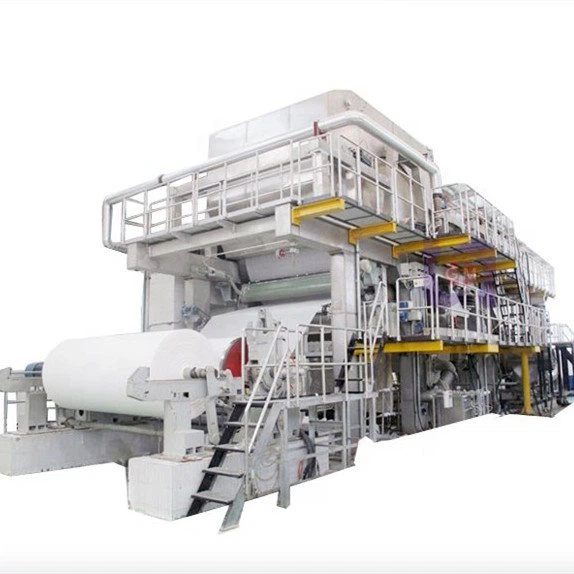

- Gather the Necessary Tools: Depending on the part you are replacing, you may need tools such as wrenches, screwdrivers, pliers, and lifting equipment. Make sure all the tools are in good working condition and of the correct size.
- Order the Replacement Parts: As a newsprint paper machine supplier, we can provide you with high - quality replacement parts that are specifically designed for your machine. Ensure that the parts you order match the specifications of your existing components. You can explore more about our related products on our website, for example, the Graphic Paper Machine, Newsprint Paper Machine, and Writing Paper Making Machine.
- Schedule the Replacement: Plan the replacement during a scheduled maintenance shutdown to minimize the impact on production. Notify all relevant personnel, including operators, maintenance staff, and supervisors, about the planned replacement.
- Safety First: Before starting any work on the machine, ensure that it is completely shut down, and all power sources are disconnected. Follow all safety procedures and wear appropriate personal protective equipment (PPE).
Replacing the Wearing Parts
The following are general steps for replacing some common wearing parts:
Felt and Wire Replacement
- Remove the Old Felt or Wire: First, release the tension on the felt or wire. Then, carefully cut or unwind the old felt or wire from the machine, taking note of how it is threaded through the various rollers and guides.
- Clean the Rollers and Guides: Use a suitable cleaning agent to remove any dirt, debris, or adhesive from the rollers and guides. This will ensure proper installation and operation of the new felt or wire.
- Install the New Felt or Wire: Thread the new felt or wire through the machine following the same path as the old one. Make sure it is properly aligned and centered on the rollers. Gradually apply tension to the felt or wire, following the manufacturer's recommended tension settings.
Blade Replacement
- Remove the Old Blade: Loosen the blade holders or clamps that secure the old blade in place. Carefully remove the blade, taking care not to damage the blade holder or other components.
- Inspect the Blade Holder: Check the blade holder for any signs of wear, damage, or misalignment. Clean the blade holder to ensure a good fit for the new blade.
- Install the New Blade: Place the new blade in the blade holder and tighten the clamps or holders securely. Make sure the blade is properly aligned and has the correct angle of contact with the surface it is intended to clean or coat.
Roller Replacement
- Remove the Old Roller: Disconnect any couplings, belts, or other connections to the old roller. Use a lifting device to carefully remove the roller from the machine.
- Inspect the Roller Housing: Check the roller housing for any damage or wear. Clean the housing and ensure that it is free of debris.
- Install the New Roller: Use the lifting device to place the new roller in the housing. Reconnect all the couplings, belts, or other connections. Make sure the roller is properly aligned and that it rotates freely.
Gear and Bearing Replacement
- Remove the Old Gear or Bearing: In most cases, you will need to disassemble the relevant part of the machine to access the gear or bearing. Use appropriate tools to remove the retaining rings, bolts, or other fasteners. Carefully remove the old gear or bearing.
- Clean and Inspect the Housing: Clean the gear or bearing housing to remove any dirt, debris, or old lubricant. Inspect the housing for any signs of damage or wear.
- Install the New Gear or Bearing: Apply a suitable lubricant to the new gear or bearing. Carefully install it in the housing, making sure it is properly seated and aligned. Reassemble the machine, tightening all the fasteners to the correct torque.
Post - Replacement Checks
After replacing the wearing parts, it is essential to conduct a series of checks to ensure that the machine is operating correctly.
- Visual Inspection: Check all the replaced parts to make sure they are properly installed and secured. Look for any signs of misalignment, loose connections, or damage.
- Function Test: Start the machine and run it at a low speed to check the operation of the replaced parts. Listen for any unusual noises, vibrations, or other signs of problems.
- Quality Control: Take samples of the paper produced by the machine and check for any changes in quality, such as thickness, smoothness, or printability. Make any necessary adjustments to the machine settings to ensure optimal paper quality.
Importance of Regular Maintenance and Part Replacement
Regular replacement of wearing parts is not only crucial for the smooth operation of the newsprint paper machine but also for the overall quality of the paper produced. Worn - out parts can lead to a variety of problems, including reduced production efficiency, increased energy consumption, and poor paper quality. By replacing the wearing parts in a timely manner, you can extend the lifespan of your machine, reduce maintenance costs, and ensure consistent production of high - quality newsprint paper.
Contact Us for Your Replacement Needs
As a professional newsprint paper machine supplier, we are committed to providing you with the best products and services. If you have any questions about replacing the wearing parts of your newsprint paper machine or need to order replacement parts, please feel free to contact us. Our team of experts is ready to assist you in ensuring the optimal performance of your paper machine.
References
- "Paper Machine Operation and Maintenance Handbook", Industry Publishing House
- "Guide to Paper Machine Components and Their Replacement", Technical Institute of Paper Industry