


As a supplier of Steel Yankee Dryers, I've had the privilege of working closely with these remarkable machines, understanding their capabilities, and witnessing their impact on the paper manufacturing industry. While Steel Yankee Dryers offer numerous advantages, it's essential to acknowledge that they also come with certain disadvantages. In this blog post, I'll delve into the drawbacks of Steel Yankee Dryers, providing a comprehensive overview for those considering their use in paper production.
High Initial Investment
One of the most significant disadvantages of a Steel Yankee Dryer is the high initial investment required. These dryers are complex pieces of equipment that demand substantial capital expenditure. The cost of purchasing a Steel Yankee Dryer includes not only the price of the dryer itself but also the expenses associated with installation, commissioning, and integration into the existing paper machine. Additionally, the need for specialized infrastructure, such as steam generation systems and control panels, further adds to the overall cost.
For small and medium-sized paper mills, this high upfront cost can be a significant barrier to entry. It may require a substantial financial commitment that could strain the company's resources and limit its ability to invest in other areas of the business. Moreover, the long payback period associated with the investment can make it challenging for mills to justify the purchase, especially in a competitive market where profit margins are tight.
Energy Consumption
Steel Yankee Dryers are energy-intensive machines that consume large amounts of steam and electricity. The drying process involves heating the paper web to remove moisture, which requires a significant amount of energy. The steam is used to heat the dryer cylinder, while the electricity is used to power the motors that drive the dryer and other associated equipment.
The high energy consumption of Steel Yankee Dryers not only increases the operating costs of the paper mill but also has a significant environmental impact. The production of steam typically involves the burning of fossil fuels, such as coal, oil, or natural gas, which releases greenhouse gases into the atmosphere. This contributes to climate change and other environmental problems.
To mitigate the energy consumption of Steel Yankee Dryers, paper mills can implement various energy-saving measures, such as improving the insulation of the dryer cylinder, optimizing the steam distribution system, and using energy-efficient motors and controls. However, these measures often require additional investment and may not completely eliminate the high energy consumption of the dryer.
Maintenance and Repair
Steel Yankee Dryers require regular maintenance and repair to ensure their optimal performance and longevity. The dryer cylinder is subjected to high temperatures, pressures, and mechanical stresses, which can cause wear and tear over time. This can lead to problems such as corrosion, cracking, and deformation of the cylinder, which can affect the quality of the paper and the efficiency of the drying process.
The maintenance and repair of Steel Yankee Dryers can be complex and costly. It requires specialized skills and equipment, as well as access to spare parts. The downtime associated with maintenance and repair can also disrupt the production process and result in lost productivity. Moreover, the cost of maintenance and repair can add up over time, further increasing the operating costs of the paper mill.
To minimize the maintenance and repair requirements of Steel Yankee Dryers, paper mills can implement a preventive maintenance program. This involves regular inspections, cleaning, and lubrication of the dryer, as well as the replacement of worn or damaged parts before they cause problems. Additionally, mills can work closely with their equipment suppliers to ensure that they have access to the latest technology and best practices for maintenance and repair.
Limited Paper Quality Control
Steel Yankee Dryers can have limitations in terms of paper quality control. The drying process is a complex interaction between the paper web, the dryer cylinder, and the surrounding environment. Factors such as the temperature, humidity, and air flow can affect the quality of the paper, including its moisture content, smoothness, and strength.
The design of Steel Yankee Dryers can also limit the ability to control the paper quality. For example, the large diameter of the dryer cylinder can make it difficult to achieve uniform drying across the width of the paper web. This can result in variations in the moisture content and other properties of the paper, which can affect its printability and other end-use characteristics.
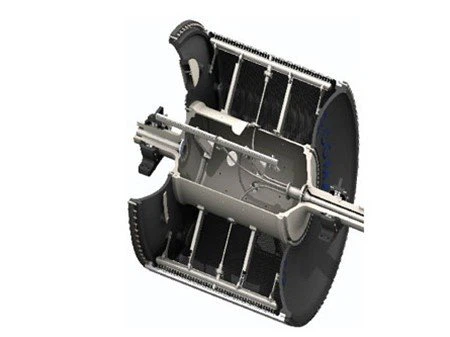
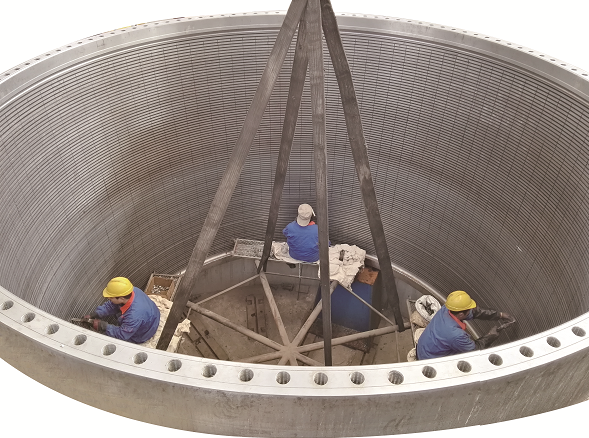
To improve the paper quality control of Steel Yankee Dryers, paper mills can implement various measures, such as using advanced sensors and control systems to monitor and adjust the drying process. Additionally, mills can optimize the design of the dryer and the surrounding environment to ensure uniform drying and minimize the impact of external factors on the paper quality.
Noise and Vibration
Steel Yankee Dryers can generate significant noise and vibration during operation. The high-speed rotation of the dryer cylinder and the movement of the paper web can create a loud noise that can be a nuisance to the operators and other workers in the vicinity. Moreover, the vibration can cause damage to the dryer and other equipment, as well as affect the quality of the paper.
The noise and vibration generated by Steel Yankee Dryers can also have a negative impact on the working environment. Prolonged exposure to high levels of noise can cause hearing loss and other health problems for the operators. Additionally, the vibration can cause discomfort and fatigue, which can affect the productivity and safety of the workers.
To reduce the noise and vibration generated by Steel Yankee Dryers, paper mills can implement various measures, such as installing noise insulation materials and vibration dampers. Additionally, mills can optimize the design of the dryer and the surrounding environment to minimize the generation of noise and vibration.
Conclusion
While Steel Yankee Dryers offer numerous advantages in terms of paper production efficiency and quality, they also come with certain disadvantages. The high initial investment, energy consumption, maintenance and repair requirements, limited paper quality control, and noise and vibration are some of the key challenges that paper mills need to consider when using these dryers.
However, it's important to note that these disadvantages can be mitigated through proper planning, design, and operation. By implementing energy-saving measures, preventive maintenance programs, and advanced control systems, paper mills can reduce the operating costs and improve the performance of their Steel Yankee Dryers. Additionally, working closely with equipment suppliers and other industry experts can help mills stay up-to-date with the latest technology and best practices for using these dryers.
If you're considering investing in a Steel Yankee Dryer or other paper machine components, such as a Steel Dryer Cylinder for Paper Machine or a Paper Machine Vacuum Press Roll, I encourage you to contact us for more information. Our team of experts can provide you with detailed technical specifications, pricing, and other information to help you make an informed decision. We're committed to providing high-quality products and services that meet the needs of our customers and help them achieve their production goals.
References
- "Paper Machine Technology" by G. A. Smook
- "Handbook of Pulp and Paper Technology" by R. G. Macdonald and J. N. Franklin