


Hey there! I'm a supplier of Steel Yankee Dryers, and today I wanna talk about the environmental impacts of using these bad boys.
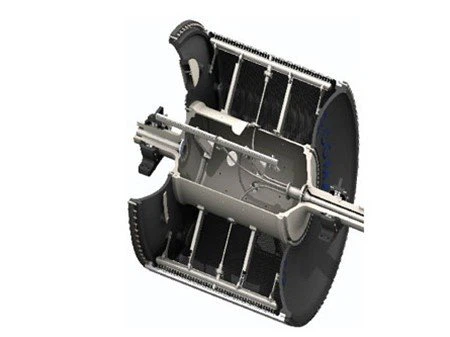
First off, let's get a bit of background. A Steel Yankee Dryer is a key component in the paper - making process. It's a large, steam - heated cylinder that helps to dry the paper web. If you're interested in other related paper machine components, check out our Paper Machine Vacuum Press Roll and Steel Dryer Cylinder for Paper Machine.
Energy Consumption
One of the most significant environmental impacts of using a Steel Yankee Dryer is its energy consumption. These dryers rely heavily on steam to heat the cylinder, and generating that steam requires a lot of energy. Usually, fossil fuels like coal, oil, or natural gas are burned in boilers to produce steam.
Burning fossil fuels releases a ton of greenhouse gases, mainly carbon dioxide (CO₂). CO₂ is a major contributor to global warming. As the planet warms, we see all sorts of problems, like rising sea levels, more extreme weather events, and changes in ecosystems.
But it's not all doom and gloom. Some modern Steel Yankee Dryers are designed to be more energy - efficient. They use advanced insulation materials to reduce heat loss from the cylinder. Also, some systems have heat recovery mechanisms. For example, they can capture the heat from the exhaust steam and use it to pre - heat the incoming water in the boiler. This way, less fuel needs to be burned to generate the same amount of steam, which in turn reduces greenhouse gas emissions.
Air Pollution
Apart from CO₂ emissions, the combustion of fossil fuels for steam generation in Steel Yankee Dryers also releases other pollutants into the air. Sulfur dioxide (SO₂) is one of them. When SO₂ is released into the atmosphere, it can react with water vapor and other chemicals to form acid rain. Acid rain can damage forests, kill aquatic life in lakes and rivers, and corrode buildings and infrastructure.
Nitrogen oxides (NOₓ) are another group of pollutants. They are formed when nitrogen in the air reacts with oxygen at high temperatures during the combustion process. NOₓ can contribute to the formation of smog, which is a mixture of pollutants that can cause respiratory problems for humans, especially for those with asthma or other lung conditions.
To tackle these air pollution issues, many paper mills are now required to install pollution control devices. For example, scrubbers can be used to remove SO₂ from the flue gases before they are released into the atmosphere. Selective catalytic reduction (SCR) systems can be employed to reduce NOₓ emissions.
Water Usage
Water is also a big deal when it comes to the operation of Steel Yankee Dryers. Water is used in the steam generation process, and it's also used for cooling purposes. In many paper mills, large amounts of water are taken from nearby rivers, lakes, or groundwater sources.
Taking too much water from natural sources can have a negative impact on local ecosystems. It can reduce the water flow in rivers and streams, which can harm fish and other aquatic organisms. It can also lower the water table in groundwater aquifers, leading to problems like land subsidence.
Moreover, the water that is used in the paper - making process often gets contaminated with chemicals and pulp fibers. If this wastewater is not properly treated before being discharged back into the environment, it can pollute water bodies. Polluted water can have a wide range of negative effects, from killing fish to making water unsafe for human consumption.
However, there are ways to reduce water usage. Closed - loop water systems are becoming more common in paper mills. In a closed - loop system, the water is recycled and reused multiple times within the mill. This reduces the amount of fresh water that needs to be taken from natural sources and also minimizes the amount of wastewater that needs to be treated and discharged.
Solid Waste Generation
The operation of Steel Yankee Dryers can also generate solid waste. For example, the boiler used to generate steam may produce ash as a by - product of burning fossil fuels. This ash needs to be properly disposed of, otherwise, it can contaminate soil and water.
Also, during the maintenance and repair of Steel Yankee Dryers, old parts may need to be replaced. These discarded parts can contribute to the solid waste stream. However, some of these parts can be recycled. For example, steel components can be melted down and reused to make new products. This reduces the demand for virgin materials and also cuts down on the energy required to produce new steel.
Noise Pollution
Let's not forget about noise pollution. Steel Yankee Dryers can be quite noisy during operation. The movement of the paper web over the cylinder, the flow of steam, and the operation of pumps and other equipment all contribute to the noise level.
High levels of noise can be a nuisance for the workers in the paper mill. Prolonged exposure to loud noise can cause hearing loss and other health problems. It can also be a problem for nearby communities. To reduce noise pollution, paper mills can install noise - reducing enclosures around the Steel Yankee Dryers. They can also use vibration - damping materials to reduce the noise generated by the equipment.
The Positive Side
Despite all these environmental challenges, Steel Yankee Dryers also have some positive environmental impacts. They play a crucial role in the paper - making process, and paper is a recyclable material. Recycling paper reduces the need to cut down trees for pulp production. Trees are important because they absorb CO₂ from the atmosphere, acting as carbon sinks.

Also, the paper industry has been making efforts to become more sustainable. Many paper mills are now using renewable energy sources like biomass, hydroelectric power, or solar power to generate steam for their Steel Yankee Dryers. By using renewable energy, they can significantly reduce their greenhouse gas emissions and dependence on fossil fuels.
Conclusion
So, as you can see, using a Steel Yankee Dryer has both positive and negative environmental impacts. The main challenges are related to energy consumption, air pollution, water usage, solid waste generation, and noise pollution. But with the development of new technologies and more sustainable practices, these impacts can be minimized.
If you're in the market for a Steel Yankee Dryer or other paper machine components, we've got you covered. Our Steel Yankee Dryer is designed with the latest energy - efficient and environmentally - friendly features. We're committed to helping our customers reduce their environmental footprint while still getting high - quality performance.
If you're interested in learning more about our products or have any questions about the environmental impacts of using our Steel Yankee Dryers, feel free to reach out. We'd love to have a chat with you and discuss how we can work together to make your paper - making process more sustainable.
References
- "Handbook of Pulp and Paper Technology"
- "Environmental Impacts of the Paper Industry" by various environmental research institutions
- Technical reports from leading paper machine manufacturers on energy - efficient and sustainable dryer designs.