


As a supplier of Newsprint Paper Machines, I've witnessed firsthand the critical role these machines play in the paper - making industry. One of the most persistent challenges in operating a newsprint paper machine is the generation of dust. Dust not only affects the quality of the final newsprint product but also has implications for the health and safety of the workers and the overall efficiency of the production process. In this blog, I'll delve into the factors that contribute to dust generation in a newsprint paper machine.
1. Raw Materials
The quality and characteristics of the raw materials used in newsprint production are fundamental factors influencing dust generation. Newsprint is typically made from a combination of mechanical pulp and chemical pulp.
Mechanical pulp, which is produced by grinding wood chips, often contains a higher proportion of fine particles and fibers. These fine particles are more likely to become airborne during the papermaking process, leading to increased dust levels. For instance, if the wood chips used for mechanical pulping are of low quality, with a high content of bark or other impurities, the resulting pulp will have a greater amount of small debris that can turn into dust.
On the other hand, chemical pulp, produced through chemical processes that break down the wood fibers, generally has a more uniform fiber structure. However, if the chemical treatment is not properly controlled, it can also lead to the formation of fine particles. For example, over - cooking during the chemical pulping process can cause the fibers to break down into smaller fragments, which may contribute to dust generation.
As a Newsprint Paper Machine supplier, we often work closely with our customers to understand the raw materials they use. We can provide recommendations on pulp sources and pre - treatment methods to minimize dust. Our Newsprint Paper Machine is designed to handle different types of pulps efficiently, but proper raw material management is still crucial to reduce dust.
2. Machine Design and Operation
The design and operation of the newsprint paper machine itself have a significant impact on dust generation.
a. Dryer Section
The dryer section is one of the main areas where dust is generated. As the paper web passes through the dryers, the moisture is removed, and the fibers become more brittle. If the drying process is too aggressive, with high temperatures and rapid moisture removal, the fibers can break, releasing fine particles into the air.
In addition, the design of the dryer cylinders and the way they come into contact with the paper web can also affect dust generation. For example, if the dryer cylinders have rough surfaces, they can cause abrasion on the paper, leading to the release of dust. Our machines are equipped with advanced dryer technologies that ensure a more gentle drying process, reducing the likelihood of fiber breakage and dust generation.
b. Press Section
The press section is responsible for removing excess water from the paper web. If the pressure is not evenly distributed across the paper web, it can cause uneven compression of the fibers. This uneven compression can lead to the breakage of some fibers and the generation of dust.
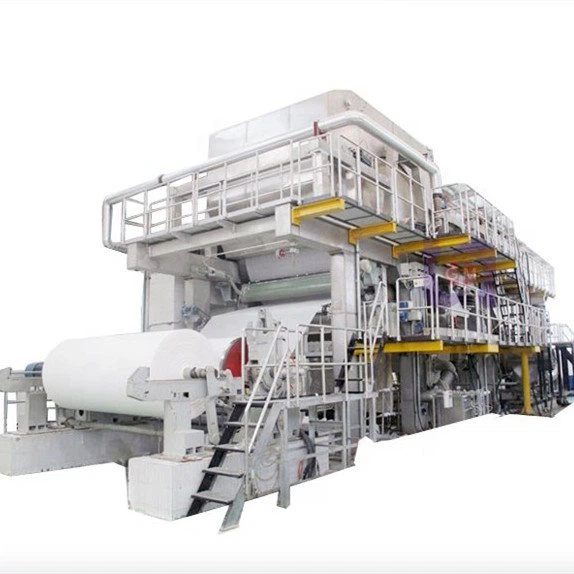

Moreover, the felts used in the press section need to be properly maintained. If the felts are dirty or worn out, they can transfer debris and fine particles onto the paper web, which may later become dust. Our Offset Printing Paper Machine and Graphic Paper Machine models incorporate advanced press section designs that ensure uniform pressure distribution and better felt management to minimize dust.
c. Cutting and Rewinding
During the cutting and rewinding processes, the paper is trimmed and wound into rolls. These operations can generate a significant amount of dust, especially if the cutting blades are dull or not properly aligned. Dull blades can tear the paper instead of making clean cuts, resulting in the release of fiber fragments.
Proper maintenance of the cutting and rewinding equipment is essential. Regular blade sharpening and alignment checks can reduce dust generation in this area. Our machines are designed with high - precision cutting and rewinding systems that are easy to maintain, helping to keep dust levels under control.
3. Environmental Conditions
The environmental conditions in the paper mill also play a role in dust generation.
a. Humidity
Low humidity levels in the mill can increase the likelihood of dust generation. When the air is dry, the paper fibers become more brittle and are more likely to break. In addition, static electricity is more likely to build up in dry conditions, which can attract and hold dust particles, making them more difficult to remove.
Maintaining an appropriate humidity level in the mill can help reduce dust. Humidification systems can be installed to increase the moisture content in the air, making the fibers more flexible and less prone to breakage.
b. Airflow
Proper airflow management is crucial to control dust. Inadequate ventilation can cause dust to accumulate in the mill, while excessive airflow can stir up dust and spread it throughout the facility.
Our Newsprint Paper Machine systems are designed to work in conjunction with well - planned ventilation systems. We can provide guidance on optimizing the airflow around the machine to ensure that dust is effectively removed from the work area.
4. Maintenance and Cleaning
Regular maintenance and cleaning of the newsprint paper machine are essential to prevent dust buildup.
a. Machine Components
Over time, dust and debris can accumulate on various machine components, such as rollers, belts, and screens. This buildup can not only increase dust generation but also affect the performance of the machine. For example, dust on the rollers can cause uneven pressure on the paper web, leading to quality issues.
Regular cleaning of these components using appropriate cleaning methods and tools is necessary. This may include using compressed air to blow away loose dust or using specialized cleaning agents to remove stubborn dirt.
b. Filters
The filters in the ventilation and dust collection systems need to be regularly inspected and replaced. Clogged filters can reduce the efficiency of the dust collection system, allowing dust to escape into the environment.
As a supplier, we offer maintenance training and support to our customers to ensure that their machines are properly maintained. This helps to minimize dust generation and extend the lifespan of the equipment.
Conclusion
Dust generation in a newsprint paper machine is a complex issue influenced by multiple factors, including raw materials, machine design and operation, environmental conditions, and maintenance. By understanding these factors, paper mills can take proactive measures to reduce dust levels, improve product quality, and create a safer working environment.
If you are facing challenges with dust generation in your newsprint production or are considering upgrading your paper - making equipment, we are here to help. Our team of experts can provide customized solutions based on your specific needs. Contact us to start a discussion about how our Newsprint Paper Machine can benefit your operation.
References
- Smook, G. A. (1992). Handbook for Pulp & Paper Technologists. Angus Wilde Publications.
- Casey, J. P. (1980). Pulp and Paper: Chemistry and Chemical Technology. Wiley - Interscience.
- Gullichsen, J., & Fogelholm, C. J. (Eds.). (2000). Paper Machine Clothing: Fundamentals and Practice. Fapet Oy.