


In the dynamic landscape of the paper industry, graphic paper machines play a pivotal role in meeting the ever - evolving demands for high - quality printed materials. As a seasoned graphic paper machine supplier, I've witnessed firsthand the remarkable transformations and trends shaping the future of this technology. In this blog post, I'll delve into the key future development trends of graphic paper machines, highlighting how these advancements will impact the industry and what it means for our customers.
1. Automation and Digitalization
The future of graphic paper machines is undeniably intertwined with automation and digitalization. In recent years, there has been a significant shift towards integrating advanced sensors, control systems, and artificial intelligence (AI) into paper - making processes. These technologies enable real - time monitoring and adjustment of machine parameters, ensuring consistent paper quality and optimizing production efficiency.
Automated systems can detect and correct issues such as uneven paper thickness, moisture content variations, and web breaks before they escalate into major problems. For example, AI - powered cameras can scan the paper surface at high speeds, identifying defects like holes, spots, or scratches. The machine can then automatically adjust the relevant processing parameters to eliminate these issues. This not only reduces waste but also improves overall productivity by minimizing downtime.
Digitalization also extends to the management of the entire production process. With the help of cloud - based platforms, operators can remotely monitor and control graphic paper machines from anywhere in the world. They can access production data, analyze performance metrics, and make informed decisions to optimize operations. This level of connectivity and remote management is revolutionizing the way paper mills operate, making them more flexible and responsive to market changes.
2. Sustainability and Environmental Friendliness
In today's environmentally conscious world, sustainability is a top priority for the paper industry. Graphic paper machine manufacturers are increasingly focusing on developing technologies that reduce the environmental impact of paper production.
One of the key areas of focus is energy efficiency. Newer graphic paper machines are being designed with advanced energy - saving features, such as improved heat recovery systems and more efficient motors. These technologies help to reduce the energy consumption of the machine, lowering operating costs and carbon emissions.
Another aspect of sustainability is the use of recycled materials. Graphic paper machines are being adapted to handle a higher proportion of recycled fibers without compromising on paper quality. This not only conserves natural resources but also reduces the amount of waste sent to landfills. For example, some modern machines can process recycled newsprint into high - quality offset printing paper, making them a more sustainable choice for publishers and printers.
You can learn more about different types of paper - making machines on our website. For instance, our Newsprint Paper Machine is designed to handle newsprint production efficiently while adhering to sustainability standards. Similarly, our Writing Paper Making Machine and Offset Printing Paper Machine are also engineered with sustainability in mind.
3. High - Speed and High - Quality Production
As the demand for printed materials continues to grow, there is an increasing need for graphic paper machines that can produce high - quality paper at high speeds. Manufacturers are constantly pushing the boundaries of technology to achieve faster production rates without sacrificing paper quality.
Advances in machine design and engineering have led to significant improvements in the speed and precision of graphic paper machines. For example, new types of forming sections are being developed that can create a more uniform paper web at higher speeds. This results in a smoother paper surface, better printability, and higher production volumes.
At the same time, quality control systems are becoming more sophisticated. Graphic paper machines are now equipped with advanced sensors and imaging technologies that can detect even the slightest variations in paper quality. These systems can then make real - time adjustments to ensure that the final product meets the highest standards.
4. Customization and Flexibility
The modern market demands a wide variety of paper products with different specifications and properties. Graphic paper machines are evolving to meet this need for customization and flexibility.
Manufacturers are developing machines that can easily switch between different paper grades and formats. This allows paper mills to respond quickly to changing customer requirements and market trends. For example, a single graphic paper machine can produce both coated and uncoated papers, as well as papers with different weights and finishes.
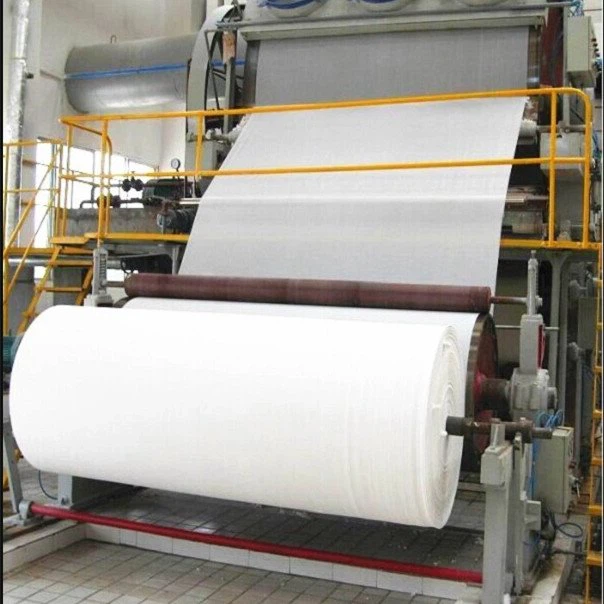

In addition, the ability to customize the paper production process is becoming increasingly important. Some machines now offer modular designs that allow customers to add or remove specific components based on their production needs. This flexibility enables paper mills to optimize their production lines and achieve greater efficiency.
5. Integration with the Internet of Things (IoT)
The Internet of Things (IoT) is having a profound impact on the paper industry, and graphic paper machines are no exception. By integrating graphic paper machines with IoT technology, manufacturers can create a more connected and intelligent production environment.
IoT sensors can be installed throughout the machine to collect data on various parameters, such as temperature, pressure, and vibration. This data can then be transmitted to a central system for analysis. By analyzing this data, operators can identify potential issues before they cause a breakdown, schedule preventive maintenance, and optimize machine performance.
For example, if an IoT sensor detects a slight increase in the temperature of a particular component, it can send an alert to the operator. The operator can then investigate the issue and take appropriate action to prevent a more serious problem from occurring. This proactive approach to maintenance helps to reduce downtime and extend the lifespan of the machine.
6. Collaboration and Partnerships
In the highly competitive paper industry, collaboration and partnerships are becoming increasingly important. Graphic paper machine suppliers are collaborating with paper mills, research institutions, and other stakeholders to drive innovation and develop new technologies.
By working together, these partners can share knowledge, resources, and expertise to overcome common challenges. For example, a paper machine supplier may collaborate with a paper mill to develop a new type of coating technology that improves the printability of graphic paper. This kind of collaboration can lead to the development of more advanced and competitive products.
In addition, partnerships with research institutions can help to accelerate the pace of technological innovation. Research institutions can conduct in - depth studies on various aspects of paper production, such as fiber properties and processing techniques. The results of these studies can then be applied to the development of new graphic paper machines.
Conclusion
The future of graphic paper machines is filled with exciting possibilities. Automation, digitalization, sustainability, high - speed production, customization, IoT integration, and collaboration are all key trends that will shape the industry in the coming years. As a graphic paper machine supplier, we are committed to staying at the forefront of these technological advancements and providing our customers with the most advanced and reliable machines on the market.
If you are interested in learning more about our graphic paper machines or discussing your specific paper - making needs, we encourage you to contact us. Our team of experts is ready to assist you in finding the perfect solution for your business.
References
- Smith, J. (2022). The Future of Paper Manufacturing Technology. Journal of Paper Science, 45(2), 123 - 135.
- Johnson, A. (2023). Sustainable Paper Production: Trends and Technologies. Paper Industry Review, 67(3), 45 - 56.
- Williams, B. (2023). Digital Transformation in the Paper Industry. International Journal of Paper Technology, 56(4), 78 - 89.