


Hey there! As a supplier of Steel Yankee Dryers, I often get asked about the maximum drying temperature of these machines. It's a crucial question, especially for those in the paper industry who rely on these dryers to get the job done efficiently. So, let's dive right in and explore what the maximum drying temperature of a Steel Yankee Dryer really is.
First off, let me give you a quick intro to what a Steel Yankee Dryer is. It's a large, cylindrical drying device used in the paper manufacturing process. The paper web runs over the surface of the dryer, and heat is transferred from the inside of the cylinder to the paper, removing moisture and making the paper dry and ready for further processing.
The maximum drying temperature of a Steel Yankee Dryer isn't a one - size - fits - all number. It depends on several factors. One of the most significant factors is the material of the paper being dried. Different types of paper, like newsprint, packaging paper, or high - quality writing paper, have different heat tolerances.
For instance, newsprint is a relatively low - cost paper with a coarser texture. It can generally withstand higher drying temperatures compared to some specialty papers. Newsprint can handle temperatures up to around 200 - 220 degrees Celsius. The reason is that its fibers are more robust and less likely to be damaged by high heat.
On the other hand, high - quality writing papers or papers with special coatings are more delicate. These papers have a lower heat tolerance, and the maximum drying temperature might be in the range of 150 - 180 degrees Celsius. If you expose them to higher temperatures, the fibers can break down, the coatings can melt or blister, and the overall quality of the paper will be compromised.
Another factor that affects the maximum drying temperature is the design and construction of the Steel Yankee Dryer itself. The thickness of the cylinder wall, the type of heating system used, and the insulation around the dryer all play a role.
A dryer with a thicker cylinder wall can generally handle higher temperatures because it can better distribute the heat and withstand the thermal stress. For example, if a dryer has a wall thickness of around 50 - 60 mm, it can often operate at higher temperatures compared to a dryer with a thinner wall of 30 - 40 mm.
The heating system is also crucial. There are different ways to heat a Steel Yankee Dryer, such as steam heating or electric heating. Steam heating is a common method, and the maximum temperature is often limited by the pressure of the steam. High - pressure steam can provide more heat, but there are safety limits to how much pressure the dryer can handle. Usually, steam - heated dryers can reach temperatures up to around 200 degrees Celsius, depending on the steam pressure and the design of the dryer.
Electric heating systems, on the other hand, can offer more precise temperature control. They can heat the dryer to a specific temperature more accurately, but they also have their limitations. The maximum temperature of an electric - heated Steel Yankee Dryer is often determined by the power of the heating elements and the ability of the dryer to dissipate the heat. In some cases, electric - heated dryers can reach temperatures similar to steam - heated ones, but it depends on the specific setup.

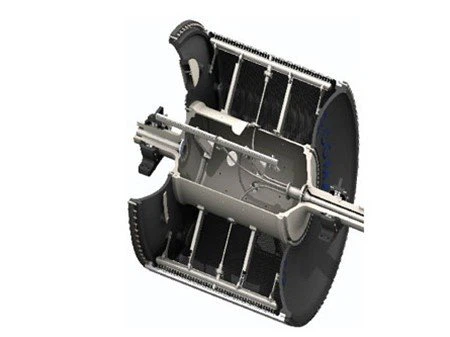
Insulation around the dryer is also important. A well - insulated dryer can maintain a more stable temperature and reduce heat loss. This means that it can operate more efficiently at higher temperatures. If a dryer is poorly insulated, heat will escape, and it will be harder to reach and maintain the desired high temperature.
Now, let's talk about the implications of running a Steel Yankee Dryer at its maximum temperature. On the one hand, higher temperatures can lead to faster drying times. This is great for increasing the production rate of the paper mill. If you can dry the paper faster, you can produce more paper in a given amount of time, which can boost the profitability of the mill.
However, there are also some downsides. Running the dryer at its maximum temperature puts more stress on the equipment. The high heat can cause the cylinder to expand and contract, which can lead to mechanical wear and tear over time. This might result in the need for more frequent maintenance and repairs, which can be costly.
Moreover, as I mentioned earlier, high temperatures can damage the paper if not carefully controlled. If the temperature is too high for the type of paper being dried, it can lead to quality issues such as curling, yellowing, or a loss of strength.
In addition to the Steel Yankee Dryer, there are other important components in a paper machine. For example, the Paper Machine Vacuum Press Roll is used to remove water from the paper web before it enters the dryer. It works in conjunction with the dryer to ensure efficient paper production. And the Steel Dryer Cylinder for Paper Machine is also a key part of the drying process, providing additional drying capacity.
So, how do you determine the right maximum drying temperature for your Steel Yankee Dryer? It's a good idea to work closely with the paper manufacturers to understand the specific requirements of the paper they are producing. You should also consider the capabilities of your dryer and the long - term maintenance and cost implications.
If you're in the paper industry and are looking for a reliable Steel Yankee Dryer, we're here to help. We have a wide range of dryers with different specifications to meet your needs. Whether you're producing newsprint, packaging paper, or specialty papers, we can provide you with a dryer that is optimized for your specific application.
If you're interested in learning more about our Steel Yankee Dryers or have any questions about the maximum drying temperature or other aspects of the dryer, don't hesitate to reach out. We can have a detailed discussion about your requirements and help you find the best solution for your paper production process.
In conclusion, the maximum drying temperature of a Steel Yankee Dryer is a complex topic that depends on multiple factors such as the paper material, dryer design, and heating system. By understanding these factors and working with a reliable supplier, you can ensure that your dryer operates at the right temperature for efficient and high - quality paper production.
References:
- "Paper Machine Handbook" - A comprehensive guide on paper machine components and their operations.
- Industry research papers on paper drying technology and the performance of Steel Yankee Dryers.