


Hey there! As a supplier of Graphic Paper Machines, I often get asked about different components and systems within these machines. One such crucial system is the paper cutting system. In this blog, I'll break down what the paper cutting system in a graphic paper machine is all about.
Understanding the Basics of a Graphic Paper Machine
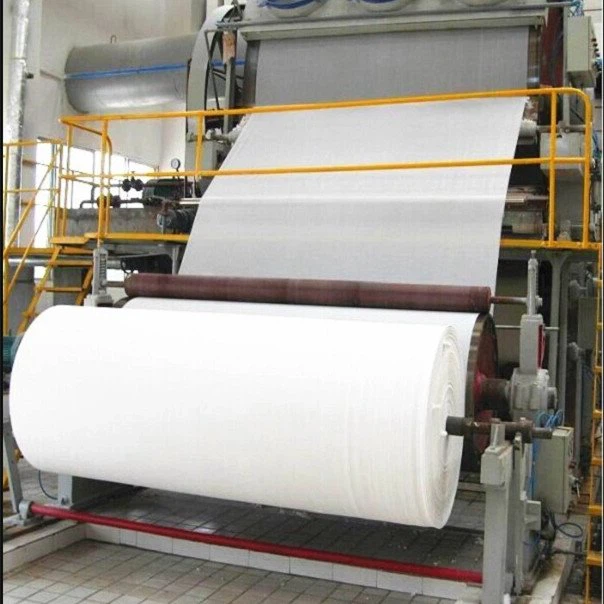
Before we dive into the paper cutting system, let's quickly touch on what a graphic paper machine does. A Graphic Paper Machine is designed to produce high - quality paper used for various graphic applications, like magazines, brochures, and posters. It goes through a series of processes, starting from turning pulp into a continuous sheet of paper and then refining it to meet the required standards.
What is the Paper Cutting System?
The paper cutting system in a graphic paper machine is, as the name suggests, responsible for cutting the continuous paper web into individual sheets of the desired size. This is a critical step because the final product needs to be in the right dimensions for printing and other uses.
Types of Paper Cutting Systems
There are mainly two types of paper cutting systems commonly used in graphic paper machines: rotary cutters and guillotine cutters.
Rotary Cutters
Rotary cutters work on the principle of continuous cutting. They consist of a pair of rotating cylinders with blades on their surfaces. As the paper web passes between these cylinders, the blades cut the paper at regular intervals. The advantage of rotary cutters is their high - speed operation. They can cut paper at extremely high rates, making them ideal for large - scale production. For example, in a high - volume magazine printing operation, a rotary cutter can keep up with the fast - paced production requirements.
Guillotine Cutters
Guillotine cutters, on the other hand, use a large, sharp blade that moves up and down in a vertical motion to cut the paper. This type of cutter is known for its precision. It can make very accurate cuts, which is important when the paper needs to be cut to exact dimensions. For instance, in the production of high - end business cards or fine art prints, a guillotine cutter might be the preferred choice.
Components of the Paper Cutting System
Let's take a closer look at the key components that make up the paper cutting system in a graphic paper machine.
Blades
The blades are the heart of the cutting system. They need to be extremely sharp and durable. In rotary cutters, the blades are usually made of high - quality steel that can withstand the continuous cutting action. The blade's sharpness directly affects the quality of the cut. A dull blade can result in ragged edges or incomplete cuts, which are unacceptable in the graphic paper industry.
Drive Mechanism
The drive mechanism is responsible for powering the cutting action. In rotary cutters, electric motors are commonly used to rotate the cylinders. These motors need to be precisely controlled to ensure that the cutting speed matches the speed of the paper web. In guillotine cutters, hydraulic or pneumatic systems are often used to drive the up - and - down motion of the blade.
Control System
The control system plays a vital role in the paper cutting process. It allows operators to set the cutting length, speed, and other parameters. Modern graphic paper machines are equipped with advanced control systems that use sensors and computer algorithms to ensure accurate and consistent cutting. For example, sensors can detect the position of the paper web and adjust the cutting action accordingly.
Importance of a Good Paper Cutting System
A well - functioning paper cutting system is essential for several reasons.
Quality Assurance
As mentioned earlier, the quality of the cut directly impacts the final product. In the graphic industry, where aesthetics are crucial, a clean and precise cut is a must. Whether it's a glossy magazine cover or a colorful poster, the edges of the paper need to be smooth and straight. A good paper cutting system ensures that this quality standard is met consistently.
Efficiency
Efficiency is another key factor. A fast and reliable cutting system can increase the overall productivity of the graphic paper machine. With a high - speed rotary cutter, for example, the machine can produce a large number of paper sheets in a short period. This not only reduces production time but also lowers costs.

Waste Reduction
An accurate cutting system helps in reducing waste. When the cuts are precise, there is less scrap paper generated. This is not only good for the environment but also for the bottom line. By minimizing waste, the company can save on raw materials and disposal costs.
Applications of Different Cutting Systems
The choice of cutting system depends on the specific application.
Magazine and Newspaper Production
For magazine and newspaper production, rotary cutters are often the go - to choice. These industries require high - volume production, and rotary cutters can meet those demands. They can cut large rolls of paper into individual sheets at speeds of up to several hundred meters per minute.
Specialty Printing
In specialty printing, such as printing business cards, greeting cards, or fine art prints, guillotine cutters are more commonly used. The precision of guillotine cutters is essential for these applications, where the paper needs to be cut to exact sizes and shapes.
Our Offerings as a Graphic Paper Machine Supplier
As a supplier of Graphic Paper Machines, we offer a range of paper cutting systems to meet different customer needs. Our machines are equipped with high - quality blades and advanced control systems to ensure the best possible cutting results.
We also provide Writing Paper Making Machine and Offset Printing Paper Machine, which are designed to work seamlessly with our paper cutting systems. Whether you're a small - scale printer or a large - scale paper manufacturer, we have the right solution for you.
Conclusion
The paper cutting system in a graphic paper machine is a complex but essential part of the overall process. It determines the quality, efficiency, and waste levels of the paper production. By understanding the different types of cutting systems, their components, and applications, you can make an informed decision when choosing a graphic paper machine.
If you're in the market for a graphic paper machine or have any questions about our paper cutting systems, don't hesitate to reach out. We're here to help you find the perfect solution for your business.
References
- Pulp and Paper Technology Handbook
- Journal of Paper Science and Technology