


The paper feeding system of a Jumbo Roll Tissue Machine is a crucial component that significantly influences the efficiency, quality, and overall performance of the tissue production process. As a supplier of Jumbo Roll Tissue Machines, I am well - versed in the intricacies of this system and its importance in the industry.
1. Introduction to the Paper Feeding System
The paper feeding system in a Jumbo Roll Tissue Machine is responsible for transporting the raw materials, usually in the form of large paper rolls, to the subsequent processing stages. It serves as the starting point of the entire tissue - making operation. A well - designed paper feeding system ensures a continuous and stable supply of paper, which is essential for maintaining high - speed production and consistent product quality.
2. Key Components of the Paper Feeding System
Unwinding Unit
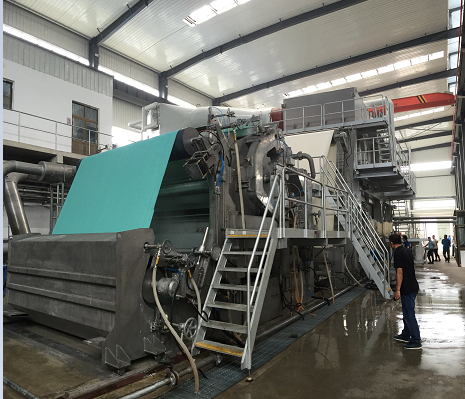
The unwinding unit is the first part of the paper feeding system. It holds the jumbo roll of paper and allows it to unwind smoothly. This unit is equipped with mechanisms to control the tension of the paper during unwinding. Maintaining proper tension is vital; if the tension is too high, the paper may break, and if it is too low, the paper may wrinkle, leading to production issues. Advanced unwinding units use sensors and automated controls to adjust the tension in real - time based on the speed of the machine and the characteristics of the paper roll.

Web Guiding System
Once the paper is unwound, a web guiding system comes into play. This system ensures that the paper travels in a straight path through the machine. It uses sensors to detect the position of the paper edges and then adjusts the position of the paper accordingly. A precise web guiding system is necessary to prevent the paper from drifting off - center, which could cause uneven cutting, folding, or other processing problems later in the production line.
Paper Transport Conveyor
The paper transport conveyor is used to move the unwound paper from the unwinding unit to the next processing stages. It is designed to provide a smooth and stable surface for the paper to travel on. The conveyor speed is synchronized with the overall speed of the machine to ensure a continuous flow of paper. Some conveyors are also equipped with features such as suction devices to hold the paper firmly in place and prevent it from slipping or shifting during transport.
3. Importance of a Reliable Paper Feeding System
Quality Assurance
A reliable paper feeding system is essential for maintaining the quality of the final tissue products. By ensuring a consistent supply of paper with proper tension and alignment, it helps to produce tissues with uniform thickness, smooth surfaces, and accurate dimensions. For example, in the production of Towel Paper Machine, a well - functioning paper feeding system ensures that the towels are cut to the correct size and have a consistent texture throughout.
Productivity
Efficiency is a key factor in the tissue manufacturing industry. A high - performance paper feeding system can significantly increase the productivity of a Jumbo Roll Tissue Machine. It reduces downtime caused by paper jams, breaks, or misalignments. With a continuous and stable paper supply, the machine can operate at its maximum speed, producing more tissue products in a shorter period.
Cost - Effectiveness
In addition to improving quality and productivity, a reliable paper feeding system can also reduce costs. By minimizing paper waste due to production errors, it helps to save on raw material costs. Moreover, less downtime means lower maintenance costs and higher overall equipment utilization, which translates into better cost - effectiveness for the tissue manufacturing operation.
4. Advanced Technologies in Paper Feeding Systems
Automation and Control
Modern paper feeding systems are highly automated. They use programmable logic controllers (PLCs) and advanced software to monitor and control various parameters such as tension, speed, and alignment. These automated systems can adjust the settings in real - time, ensuring optimal performance under different operating conditions. For example, if the machine speed changes, the system can automatically adjust the tension of the paper to maintain a stable supply.
Sensor Technology
Sensor technology plays a crucial role in the paper feeding system. Optical sensors, ultrasonic sensors, and load cells are used to detect various parameters such as paper position, tension, and thickness. These sensors provide accurate data to the control system, allowing it to make precise adjustments. For instance, optical sensors can detect the edges of the paper with high precision, enabling the web guiding system to correct any misalignments immediately.
5. Applications in Different Tissue Products
Facial Tissues
In the production of Facial Tissue Making Machine, the paper feeding system needs to handle thin and delicate paper. The system must ensure a gentle and smooth feeding process to prevent the paper from tearing or wrinkling. Specialized tension control and web guiding mechanisms are often used to meet the high - quality requirements of facial tissues.
Hand Towels
For Hand Towel Tissue Machine, the paper feeding system may need to handle thicker and more robust paper. It also needs to ensure that the paper is fed at a speed and tension suitable for the cutting and folding processes involved in hand towel production. The conveyor system may be designed to handle the larger size and weight of the hand towel paper.
6. Maintenance and Troubleshooting of the Paper Feeding System
Regular Maintenance
Regular maintenance is essential to keep the paper feeding system in good working condition. This includes cleaning the components, lubricating moving parts, and checking the calibration of sensors and control systems. For example, the unwinding unit's rollers should be cleaned regularly to prevent the buildup of paper dust, which could affect the tension control.
Troubleshooting
Despite proper maintenance, issues may still arise in the paper feeding system. Common problems include paper jams, uneven tension, and misalignment. When a paper jam occurs, the machine should be stopped immediately, and the jammed paper should be carefully removed. Uneven tension can be adjusted by checking the tension control settings and the condition of the rollers. Misalignment can be corrected by recalibrating the web guiding system.
7. Conclusion
The paper feeding system of a Jumbo Roll Tissue Machine is a complex and critical part of the tissue production process. It encompasses various components and technologies that work together to ensure a continuous, stable, and high - quality supply of paper. As a supplier of Jumbo Roll Tissue Machines, we understand the importance of providing customers with reliable paper feeding systems. Our machines are designed with the latest technologies and are built to meet the diverse needs of the tissue manufacturing industry.
If you are in the market for a Jumbo Roll Tissue Machine or need to upgrade your existing paper feeding system, we invite you to contact us for a detailed discussion. Our team of experts is ready to provide you with professional advice and solutions tailored to your specific requirements. Let's work together to improve your tissue production efficiency and product quality.
References
- "Tissue Paper Manufacturing Technology" - A comprehensive industry - specific book on the various aspects of tissue paper production, including paper feeding systems.
- Industry research reports on the latest trends and technologies in Jumbo Roll Tissue Machines and their paper feeding components.