


Hey there! As a supplier of Steel Dryer Cylinders, I've got a lot to share about the different types of heating systems used in these essential paper - making components. Let's dive right in!
Steam Heating Systems
Steam is hands - down the most common heating method for steel dryer cylinders. Why? Well, it's got some pretty great advantages. First off, steam can transfer a huge amount of heat energy. It's able to do this because of its high latent heat of vaporization. When steam condenses inside the dryer cylinder, it releases a large amount of heat, which is then transferred to the paper web passing over the cylinder.
One of the key features of steam heating is its ability to provide uniform heat distribution. This is super important in the paper - making process because it ensures that the paper dries evenly. Uneven drying can lead to all sorts of problems, like warping, wrinkling, and inconsistent paper quality.
Steam heating systems also offer good control. You can adjust the steam pressure to control the temperature inside the dryer cylinder. This flexibility allows paper manufacturers to optimize the drying process based on the type of paper they're making. For example, making high - quality fine papers might require a more precise temperature control compared to making newsprint.
However, steam heating isn't without its drawbacks. It requires a dedicated steam generation system, which can be expensive to set up and maintain. There's also the risk of steam leaks, which not only waste energy but can also be a safety hazard.
Hot Oil Heating Systems
Hot oil heating systems are another option for steel dryer cylinders. Instead of steam, these systems use hot oil as the heat transfer medium. Hot oil has a high specific heat capacity, which means it can carry a lot of heat energy.
One of the big advantages of hot oil heating is that it operates at lower pressures compared to steam heating. This reduces the risk of leaks and makes the system safer. Additionally, hot oil systems can provide a more stable temperature. Since oil doesn't change phase during the heating process (unlike steam which condenses), it can maintain a more consistent heat output.
Hot oil heating is also well - suited for applications where a high temperature is required. Some specialty papers need to be dried at higher temperatures than what steam can typically provide. Hot oil systems can easily reach these higher temperatures without the need for extremely high pressures.
But there are some downsides. Hot oil is flammable, so proper safety measures need to be in place. Also, the initial cost of a hot oil heating system can be quite high, and the oil needs to be replaced periodically due to degradation over time.
Electric Heating Systems
Electric heating systems are a relatively new player in the field of steel dryer cylinder heating. These systems use electrical resistance heaters to generate heat.
One of the main advantages of electric heating is its simplicity. There's no need for a complex steam or hot oil generation system. You just need to connect the dryer cylinder to an electrical power source. Electric heating also offers excellent temperature control. You can precisely adjust the power input to the heaters to achieve the desired temperature.
Another benefit is that electric heating systems are clean. They don't produce any emissions like steam or hot oil systems might. This makes them a good option for environmentally - conscious paper manufacturers.
However, electric heating can be expensive to operate, especially in areas where electricity costs are high. Also, the heating capacity of electric systems might be limited compared to steam or hot oil systems, which could be a problem for large - scale paper production.
Induction Heating Systems
Induction heating is a cutting - edge technology for steel dryer cylinders. It works by using electromagnetic induction to heat the cylinder directly.
The big advantage of induction heating is its speed. It can heat up the dryer cylinder very quickly, which reduces the start - up time of the paper - making process. This is a huge time - saver, especially when there are frequent production changes.
Induction heating also provides very efficient heat transfer. Since the heat is generated directly in the cylinder wall, there's less heat loss compared to other heating methods. This leads to energy savings.
But induction heating systems are complex and expensive to install. They also require a high - level of technical expertise to operate and maintain.
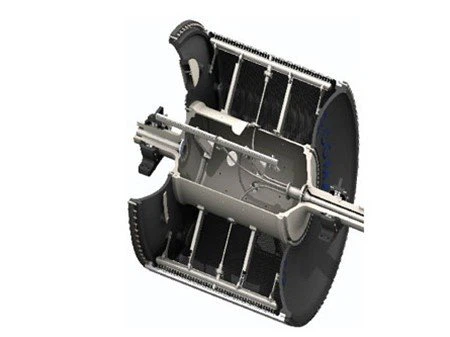

Which Heating System is Right for You?
Choosing the right heating system for your steel dryer cylinder depends on several factors. If you're running a large - scale paper mill with a well - established steam infrastructure, steam heating might be the most cost - effective option. It's tried and true, and the technology is widely understood.
If you need high - temperature drying or want a system with lower pressure requirements, hot oil heating could be a good choice. Electric heating might be suitable for smaller operations or for applications where precise temperature control and a clean heating method are important. And if you're looking for speed and efficiency, induction heating could be worth the investment, despite its high upfront cost.
As a Steel Dryer Cylinder supplier, I've seen firsthand how different heating systems can impact the paper - making process. Whether you're in the market for a Paper Machine Vacuum Press Roll, a Steel Dryer Cylinder for Paper Machine, or a Steel Yankee Dryer, I can help you select the right heating system to meet your specific needs.
If you're interested in learning more about our products and how we can assist you in choosing the best heating system for your steel dryer cylinders, don't hesitate to reach out. We're here to help you optimize your paper - making process and achieve the best results.
References
- "Handbook of Paper Machine Technology"
- "Principles of Paper Drying"
- Industry reports on paper - making equipment and technologies